Disclosure: I built Tutarium, so take my opinion on that one with the appropriate amount of scepticism. I've still included other tools because they solve different problems, and there isn't one tool that's perfect for every author.
If you're self-publishing, you've probably discovered that marketing your book eventually turns into a link management problem.
You have links for social media, links for newsletters, links for podcasts, links for sales, links for paperbacks, links for Kindle editions and, just to make life difficult, readers from different countries all need different links too.
At first, it doesn't seem like a big deal.
You copy an Amazon URL and move on.
But eventually you start asking questions like:
- Which Facebook post actually worked?
- Which newsletter generated clicks?
- Did anyone buy the paperback or was everyone choosing Kindle?
- Are readers even landing on the correct store?
I ended up going down a bit of a rabbit hole trying different tools, so here's a list of the ones I think are worth knowing about.
They all solve slightly different problems.
1. Tutarium
Best for: Authors who want to see which book marketing sends readers to stores.
I built Tutarium because I kept running into the same problem over and over again.
I'd create a post announcing something exciting, share an Amazon UK link and then realise afterwards that anybody outside the UK was having a completely different experience.
Sometimes readers would land on the wrong Amazon store. Sometimes they couldn't buy the book at all.
That was the original problem I wanted to solve.
Over time though, I realised that international Amazon links were only one part of the puzzle.
Authors don't just sell on Amazon.
Readers might prefer Kobo, Apple Books, Barnes & Noble, Bookshop.org or even buying directly from your own website.
The bigger problem is that authors end up maintaining links all over the place.
Tutarium approaches it slightly differently.
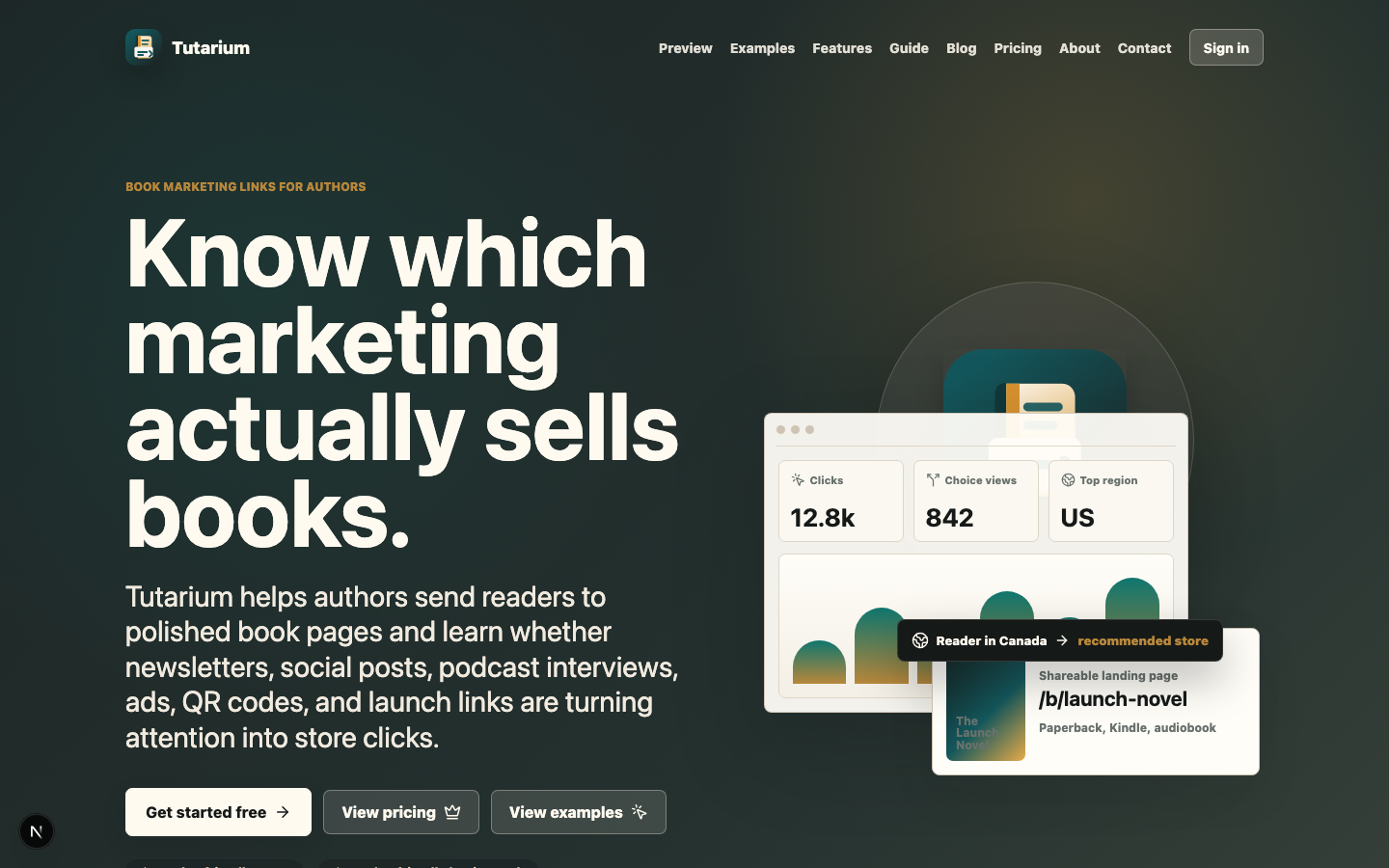
Instead of managing dozens of retailer links individually, you create a book page that organises all of your buying options in one place.
Features include:
- Reader-friendly book landing pages
- Support for multiple buying options and retailers
- A recommended buying option for readers based on safe routing rules
- International Amazon marketplace support
- Campaign links for social media, newsletters, podcasts and launches
- Click analytics
- Multiple editions including Kindle, paperback, hardcover and audiobook support
- Amazon affiliate tag support
The thing I deliberately tried to avoid building was another generic link-in-bio tool.
Everything is built around books instead.
If all you need is a universal retailer link, there are simpler tools available.
If you want to build a small marketing system around your books, that's where Tutarium starts to make sense.
Website: tutarium.com
2. Books2Read
Best for: Authors who publish wide.
Books2Read has been around for a long time and there's a good reason for that.
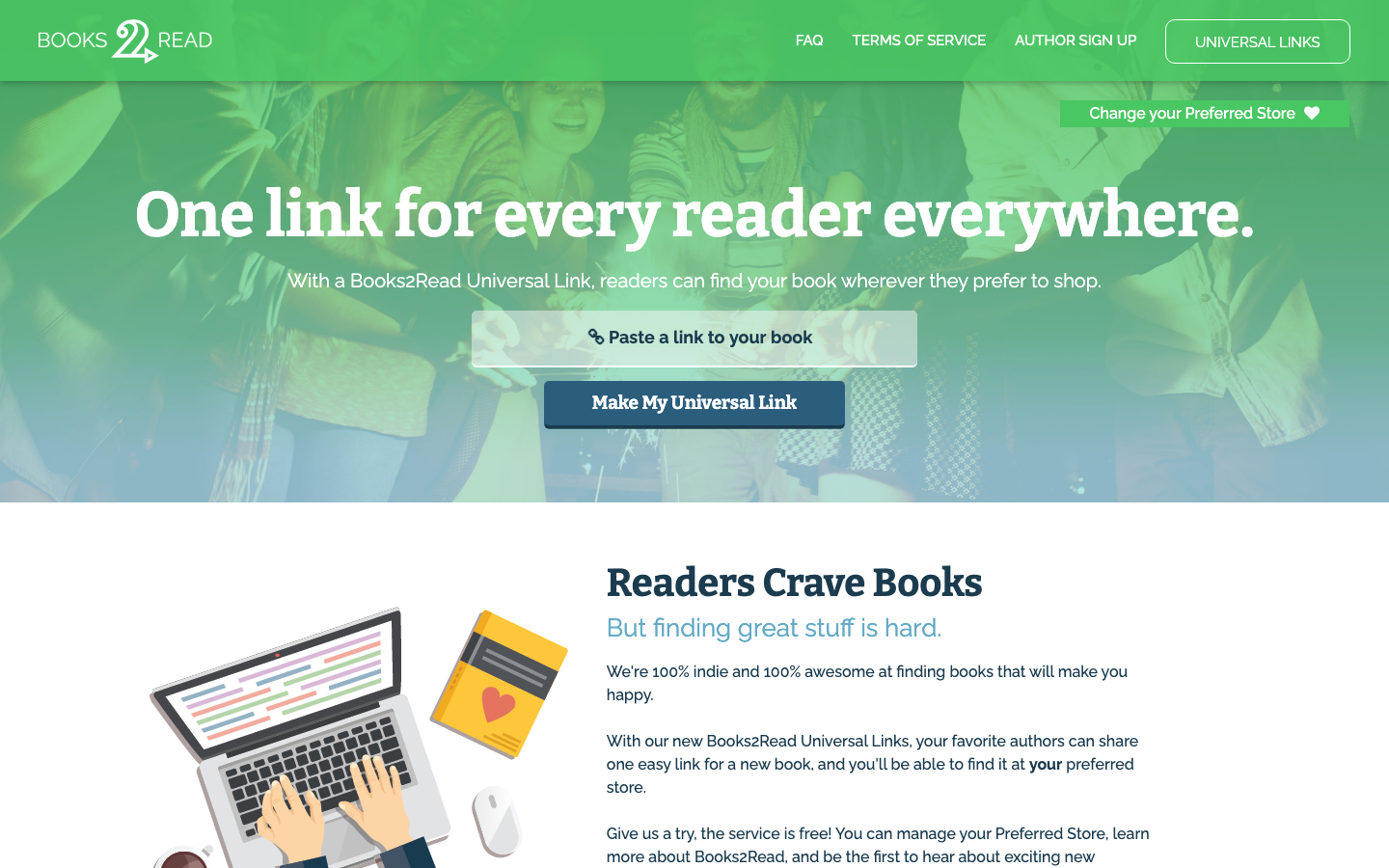
It's one of the easiest ways to create universal retailer links for your books.
If you sell through Amazon, Kobo, Apple Books and other stores, Books2Read does a really good job of bringing those together.
It also has author pages and some additional promotional tools.
If you're already committed to publishing wide, this is probably one of the first tools I'd look at.
Strengths:
- Wide retailer support
- Universal book links
- Author pages
- Established platform
Website: books2read.com
3. BookLinker
Best for: International Amazon links.
BookLinker solves one problem and solves it well.
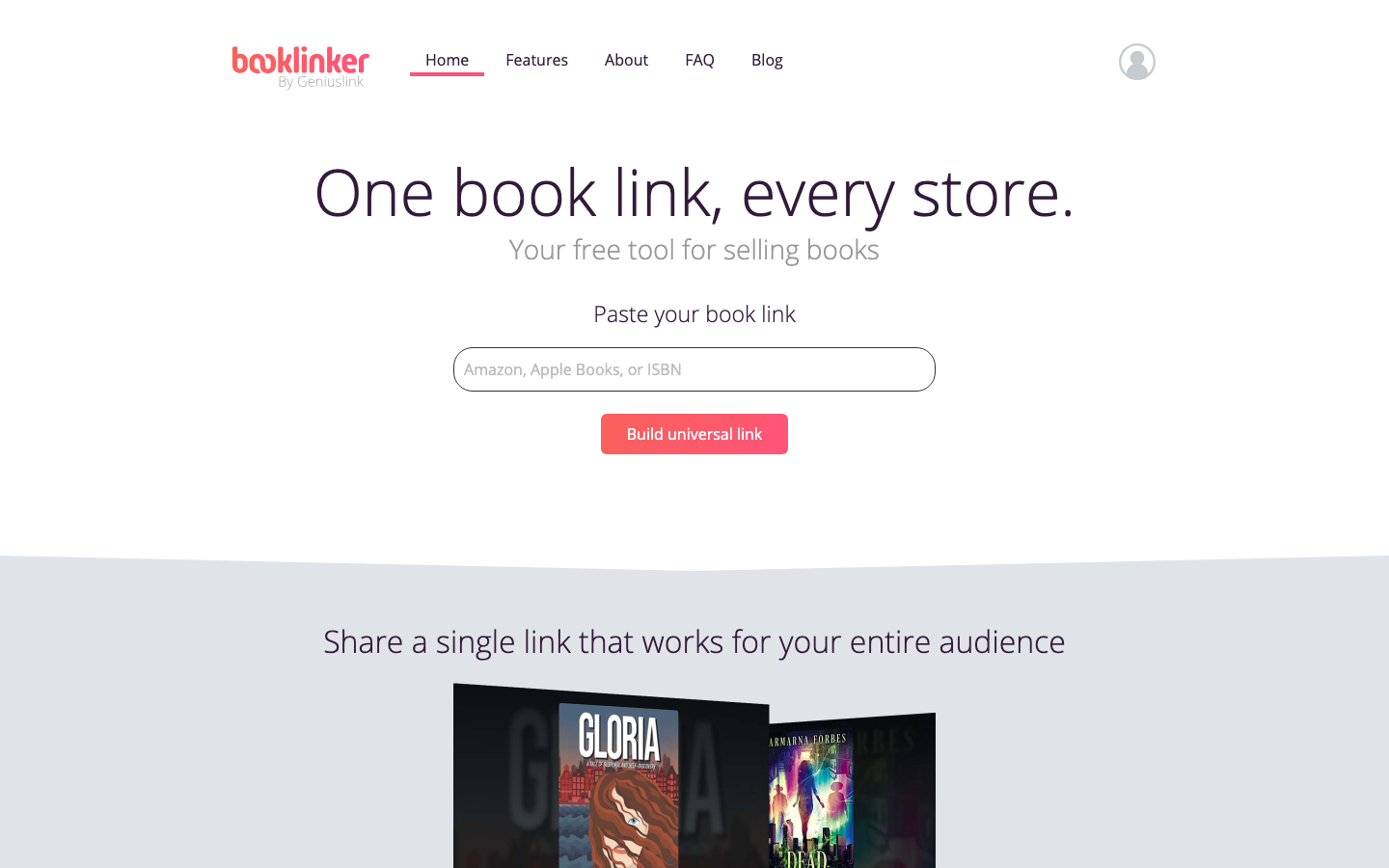
You give it an Amazon link and it attempts to send readers to the appropriate Amazon store for their country.
That's it.
I don't mean that negatively either.
Sometimes simple is exactly what you need.
If you primarily sell through Amazon and you're tired of accidentally sharing Amazon UK links with American readers, it's definitely worth looking at.
Strengths:
- Very simple
- Great international Amazon support
- Minimal setup
Website: booklinker.com
4. Linktree
Best for: Author profile pages.
Linktree isn't really an author tool.
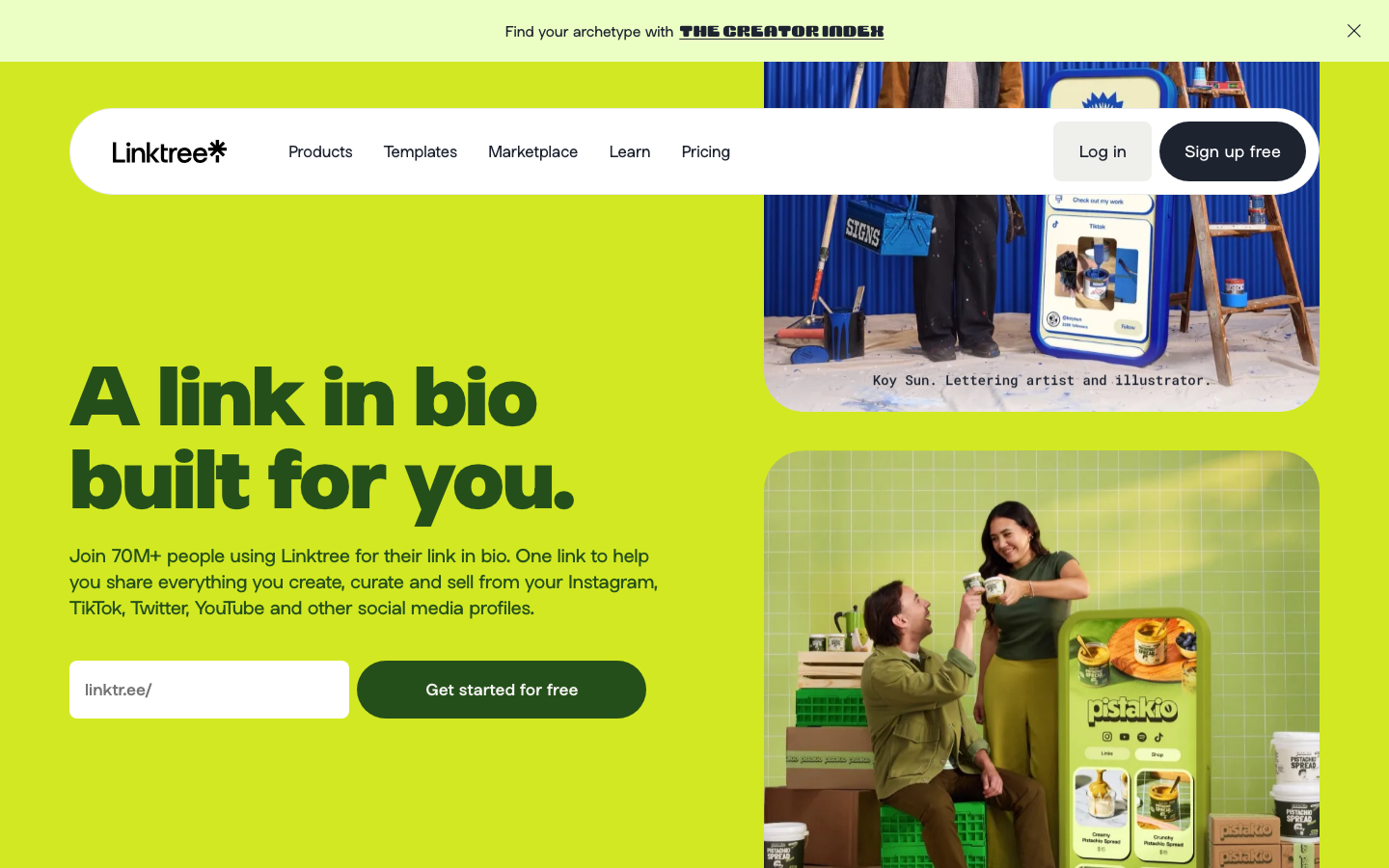
It's a creator tool that authors have adopted.
If all you want is somewhere to collect:
- Your website
- Your newsletter
- Your social media accounts
- Your Amazon page
Then it works perfectly well.
The limitation is that it doesn't understand books.
You're essentially maintaining a collection of links yourself.
That isn't necessarily bad.
It's just solving a different problem.
Strengths:
- Very easy to set up
- Widely recognised
- Great for social profiles
Website: linktr.ee
5. Beacons
Best for: Social-first authors.
Beacons is another creator platform that some authors will find useful.
It leans heavily into Instagram, TikTok and creator businesses.
If social media is the primary way readers discover your work, it's worth exploring.
There's a lot there though.
For some people that'll be a positive.
For others, it'll feel like overkill.
Strengths:
- Social media integrations
- Creator tools
- Flexible profile pages
Website: beacons.ai

Which one should you choose?
Honestly, that depends on what problem you're trying to solve.
If you need a universal retailer link, I'd start with Books2Read.
If you only care about international Amazon links, I'd start with BookLinker.
If you want a simple author profile page, I'd start with Linktree.
If you primarily market on social media, I'd start with Beacons.
If you want a central place to manage book marketing, I'd start with Tutarium.
The biggest mistake I made when I first started marketing my own books was assuming a link was just a link.
It isn't.
Every time you share your book somewhere, you're creating a marketing asset.
Being able to answer questions like:
- Which Facebook post performed best?
- Which newsletter generated clicks?
- Which countries are readers coming from?
- Which buying options are readers choosing?
...becomes surprisingly useful over time.
Especially when you're doing all of this yourself.
Because if you're self-publishing, odds are you're already wearing enough hats without manually managing dozens of links as well.