One of the biggest mistakes I see authors make is assuming their marketing strategy should stay the same regardless of how their book is published.
It makes sense on the surface. A reader clicks a link, buys a book, everyone's happy.
Except that isn't what actually happens.
An Amazon-exclusive author, a wide-distribution author, someone selling directly from their own website, and someone running a Kickstarter campaign all have completely different problems to solve. The link you share, the page readers land on, and the information you provide should change to match.
This isn't an argument for or against any publishing model. Plenty of successful authors are exclusive to Amazon. Plenty are wide. Others make direct sales their priority or fund books through Kickstarter.
The important thing is making your marketing work with your publishing strategy instead of against it.
| Publishing model | Reader problem | Marketing link job |
|---|---|---|
| Amazon-exclusive | Readers shop in different Amazon stores | Route them to the right regional Amazon page where possible |
| Wide distribution | Readers prefer different retailers | Let them choose Kobo, Apple Books, Google Play, Barnes & Noble, Amazon, or another store |
| Direct sales | Readers need context before checkout | Give them a persuasive book page before the buying step |
| Kickstarter | Campaigns end, but marketing links live on | Track the launch, then keep the URL useful after the campaign |
Amazon-exclusive authors
If your book is enrolled in KDP Select, life is wonderfully simple in one respect.
You have one retailer.
Your marketing can focus entirely on getting readers to Amazon.
That doesn't mean there aren't problems.
Readers don't all shop in the same Amazon store. A UK Amazon link isn't particularly useful to someone in Canada or Australia. You may also have separate Kindle, paperback and hardcover editions, each with their own URL.
Rather than continually updating old posts or maintaining different links for different countries, use one durable book link that can safely route readers to the correct regional Amazon store when possible.
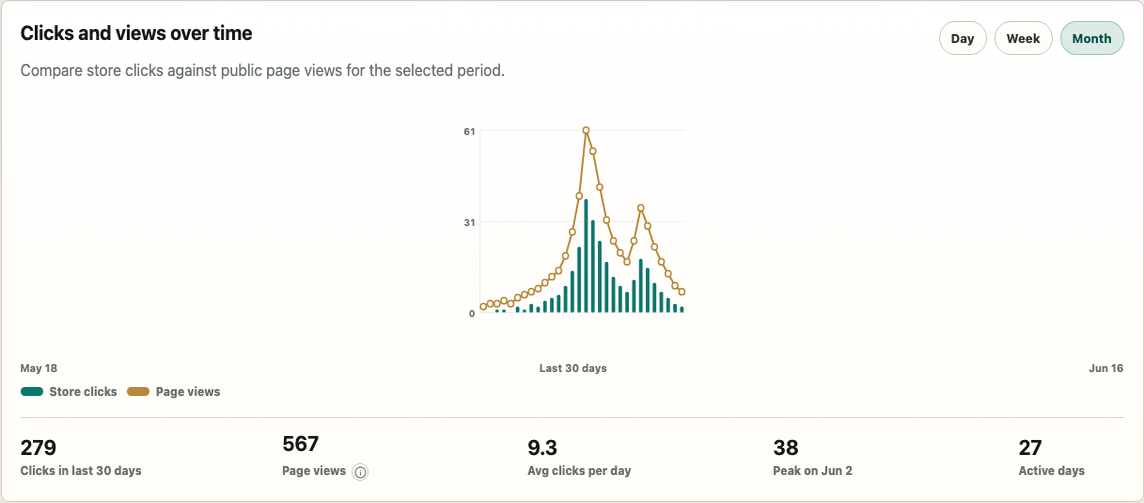
Just as importantly, measure which newsletter, Facebook post, podcast interview or advert generated those visits. Without that feedback you're left guessing which marketing actually deserved your time.
Wide-distribution authors
Wide authors face a different challenge.
Your goal isn't sending everyone to Amazon.
Your goal is helping readers buy from the store they already prefer.
Some readers buy from Kobo.
Others use Apple Books.
Some only use Google Play Books.
Others prefer Barnes & Noble or Bookshop.org.
Dropping six retailer URLs into every social media post quickly becomes messy. It also forces readers to do the work of finding the right link.
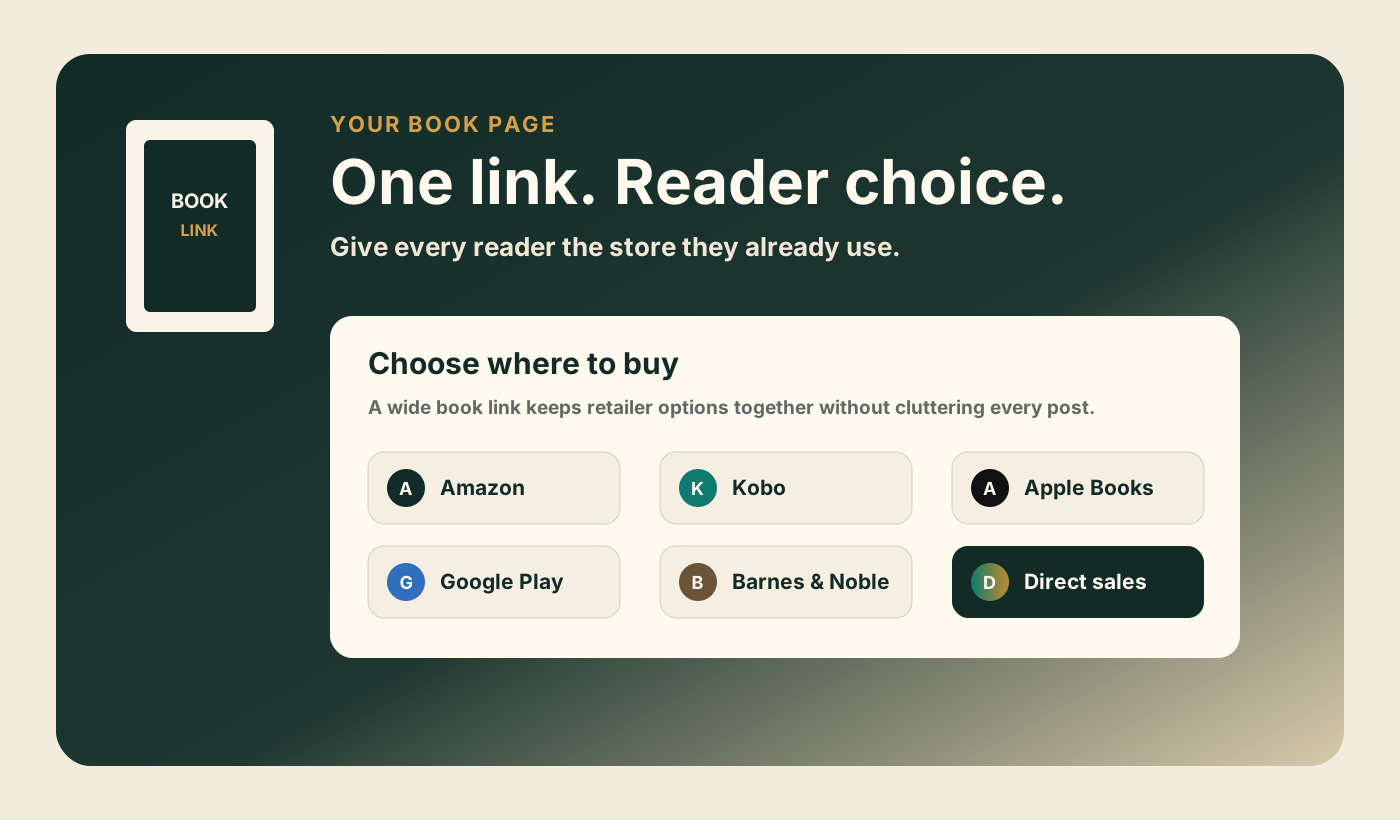
A much better experience is one landing page that lists every buying option clearly.
One link to share.
One page to maintain.
Multiple places to buy.
That's especially useful when you release new editions or add another retailer later, because the link you've already shared doesn't need to change.
Selling directly
If you're selling through your own website, your checkout page shouldn't do the job of your marketing.
Readers often need a little more context before they're ready to buy.
Who is this book for?
What's it about?
What formats are available?
What are other readers saying?
A dedicated book page gives readers those answers before asking them to open their wallet.
Think of it this way.
A checkout page closes a sale.
A landing page earns one.
Kickstarter campaigns
Kickstarter creates another unique challenge.
Campaigns are temporary.
Your marketing usually isn't.
You'll probably mention your campaign in newsletters, podcast appearances, interviews, convention flyers, QR codes and social posts.
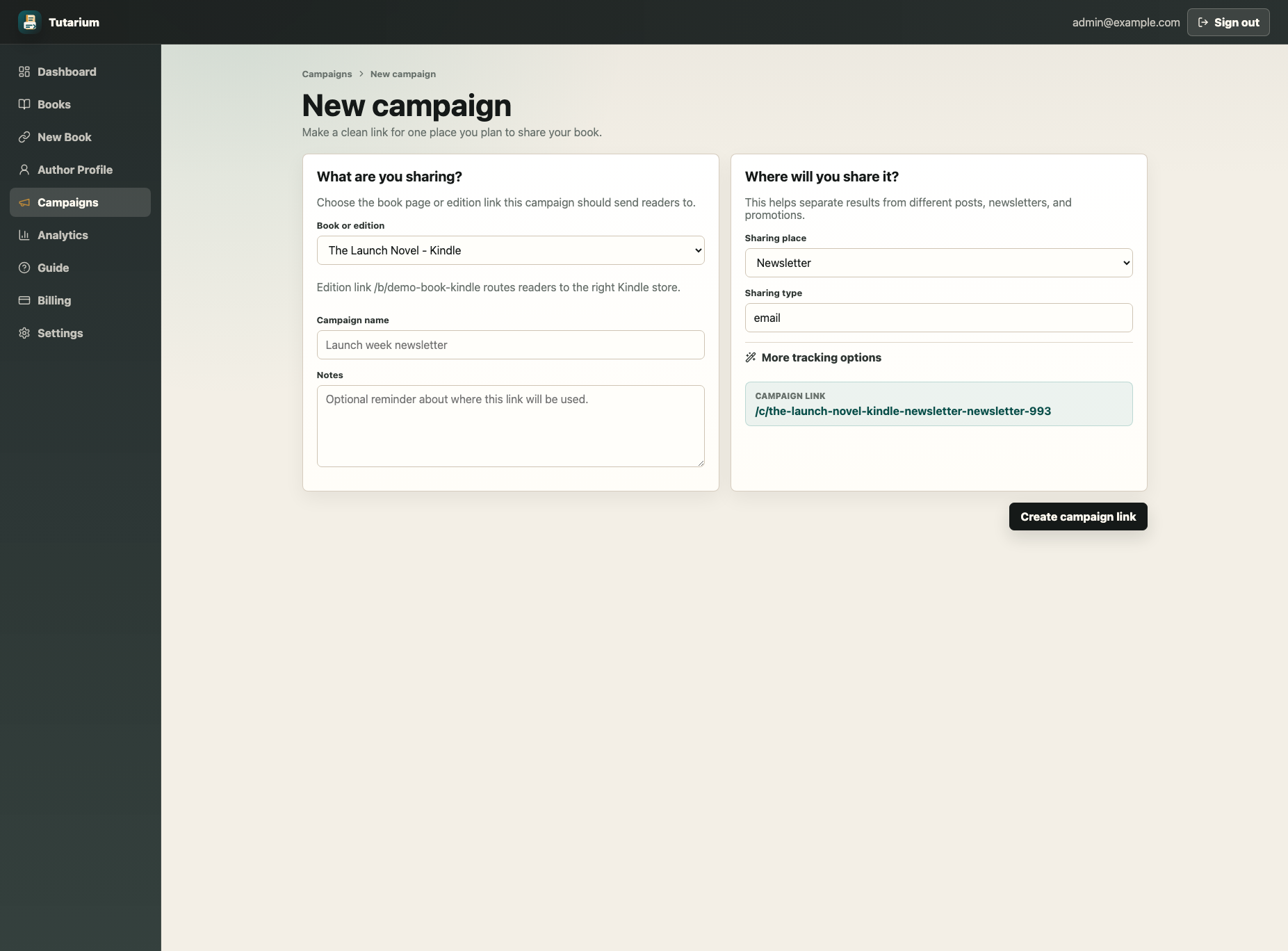
Each of those deserves its own campaign link so you can see what actually brought people to your project.
When the campaign ends, those links don't need to become dead ends.
Instead, they can continue directing readers towards the finished book, preserving years of marketing instead of leaving broken Kickstarter URLs scattered across the internet.
What never changes
Whether you're Amazon-exclusive, publishing wide, selling directly or crowdfunding your next novel, the questions stay remarkably consistent.
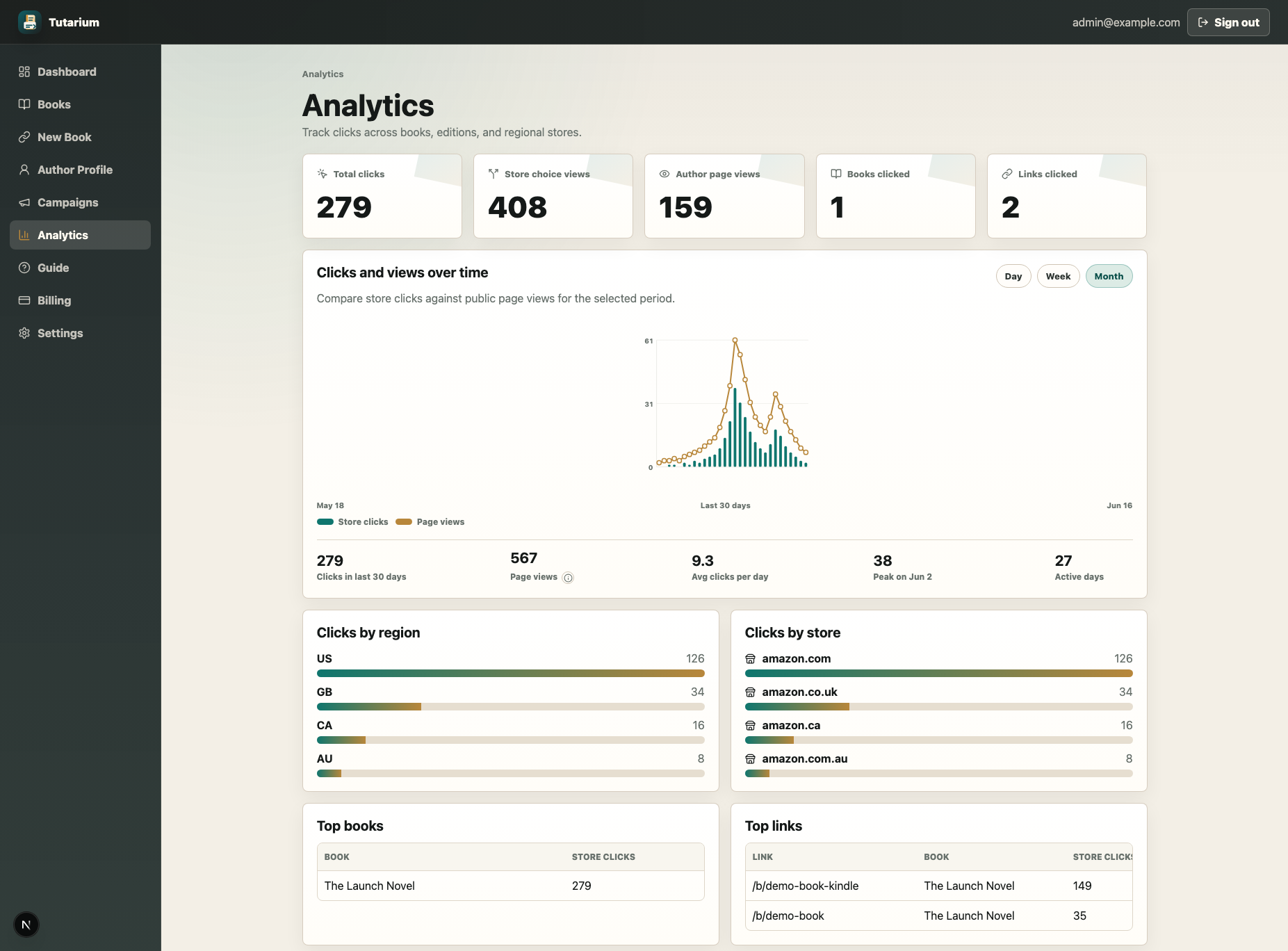
- Which marketing campaign worked?
- Which countries showed the most interest?
- Which retailers do readers prefer?
- Which posts generated curiosity but no purchases?
- Which promotions are worth repeating?
The answers are impossible to find if every promotion points directly at a raw retailer URL.
A durable book page combined with campaign-specific links gives you something much more valuable than clicks.
It gives you feedback.
Final thoughts
There isn't a universally correct publishing strategy.
Amazon-exclusive publishing works brilliantly for some authors.
Wide distribution is the right choice for others.
Direct sales offer greater ownership, while Kickstarter can help bring ambitious projects to life before publication.
What matters is recognising that your marketing should support the way your readers buy.
The fewer decisions they have to make, and the more clearly you can understand what's working, the easier it becomes to spend your limited marketing time on the things that actually move books.
Marketing is hard enough already. There's no reason your links should make it harder.